
Look, here’s the thing: if you play slots in Canada and you care about stretching your C$100 bankroll, you need to understand two simple but often-misread concepts — RTP and volatility — and how they interact with bonuses, payment choices and the provincial rules that affect how you play from coast to coast. Not gonna lie, mastering these two will make you play smarter, not harder, and that’s exactly what I’ll walk you through next while keeping things Canada-friendly. This intro sets the stage for practical examples and quick checklists that follow.
What RTP Means for Canadian Players
RTP (Return to Player) is the long-run mathematical expectation of what a slot pays back — so a 96% RTP means, in theory, you’d get C$96 back for every C$100 wagered over a huge sample. I’m not 100% sure people appreciate that “long-run” part, because short sessions can look nothing like the average, and that’s where variance shows up. To make that clearer, if you spin 1,000 times at C$0.25 a spin (total C$250), a 96% RTP would imply expected returns of around C$240 — but in practice you may win big or lose big that session, and that’s why RTP alone isn’t the whole story. That idea leads us straight to why volatility matters, which I’ll cover next.
Why Slot Volatility Matters for Canadian Bankrolls
Volatility (aka variance) tells you how bumpy the ride is: low-volatility slots pay small amounts often, while high-volatility titles pay big amounts rarely. For a player in Ontario or Vancouver working with C$20–C$100 sessions, volatility determines whether you’re likely to get a steady run of loonies and toonies (small wins) or chase a life-changing hit like a progressive jackpot. If you’re chasing Aztec-style progressives or Mega Moolah, expect spikes — and possibly long droughts — which is important if you deposit with Interac e-Transfer or use crypto. Next, I’ll show practical bankroll rules tied to volatility so you can choose the right games.
Simple Bankroll Rules for Canadian Players (Rogers/Bell users on the go)
Real talk: adjust bet size to volatility. For low-volatility slots (think frequent small hits) aim for a session bankroll of 50–100 bets; for medium volatility, 100–300 bets; for high volatility, 300+ bets. Example numbers in CAD: if you prefer low-volatility at C$0.50 spins, a C$50 session gives you ~100 spins; for high-volatility at C$1 spins you’d want C$300–C$500 to ride through dry spells. These rules also matter when you play from your phone on Rogers or Bell networks — you don’t want to be underbankrolled mid-streak when connectivity is spotty — and that leads to picking the right payment routes next.
Payments & Practicalities for Canadian Players in 2026
Deposit and withdrawal choices change your experience. Interac e-Transfer, Interac Online and iDebit are Canadian favourites because they let you deposit in CAD and avoid card issuer blocks; Instadebit is another local-friendly method. Crypto is popular on some offshore sites for speed, but conversion fees can bite if the site pays out USD and your bank converts — I once lost about C$8 on a C$100 withdrawal because of currency conversion, and that’s annoying when you’re counting free spins. If you value fast, CAD-native processing, Interac e-Transfer is the go-to — keep that in mind when choosing games and bet sizes so you’re not chasing a withdrawal. Next up: how to compare volatility with concrete game examples Canadians search for.
Popular Games and Volatility Profiles for Canadian Players
Canadians have favourites: Mega Moolah (progressive, very high volatility), Book of Dead (high volatility), Wolf Gold (medium), 9 Masks of Fire (medium-high) and Big Bass Bonanza (medium). If you’re in the 6ix (Toronto) or cheering Leafs Nation, you’ll see lots of hockey pool players dabble in medium-variance slots for balance. Pick games that match your risk tolerance: if you like chasing jackpots, tag high-volatility titles but use a larger bankroll; if you prefer longer sessions — try Wolf Gold or Big Bass Bonanza with smaller bets per spin. This naturally brings us to two short, realistic examples to illustrate outcomes.
Two Mini-Cases: Realistic Examples in CAD
Case A — Conservative approach: You bring C$100, choose a medium-volatility slot (Wolf Gold), play C$0.50 spins. With ~200 spins, you stand a good chance of multiple small wins and a steady session; you might leave with C$120 or C$60 — both plausible outcomes. Case B — High-risk approach: You bring C$500, target Mega Moolah at C$2 spins. You could hit a small progressive or nothing at all; statistically the expected loss aligns with RTP, but variance means your sample may swing wildly. These scenarios show why deposit method, game choice and session planning matter, and next I’ll give you a quick comparison table to decide which route suits you.
Comparison Table: Volatility Options for Canadian Players
| Volatility | Typical RTP | Recommended Bankroll (CAD) | Example Games | Best For |
|---|---|---|---|---|
| Low | 95–97% | C$20–C$100 | Classic 3-reel, some low-vol video slots | Long sessions, steady play |
| Medium | 95–96.5% | C$50–C$300 | Wolf Gold, Big Bass Bonanza | Balanced risk/reward |
| High | 94–97% (varies) | C$300–C$1,000+ | Book of Dead, Mega Moolah, Aztec’s Millions | Jackpot hunters, VIPs |
That table should help you pick a volatility class before topping up via Interac or crypto, and next I’ll explain where RTP numbers can be hidden or manipulated — a crucial caveat for Canadian players.
Where RTP Info Hides — What Canadian Players Should Watch
Not all casinos publish per-game RTPs, and some providers (RTG in particular) allow operators to set different RTP variants for the same title — so you might see slightly different numbers on sister sites. That’s why reading independent reviews matters; for instance the review at kudos-casino mentions RTG’s variability and flags when RTP tables aren’t public. If the casino runs in USD only, expect currency conversion on deposits and payouts unless they support CAD, which affects your net returns. This raises the question of bonuses and wagering math, which I’ll break down next with a Canada-friendly example.
Bonus Math for Canadian Players: A Clear Example
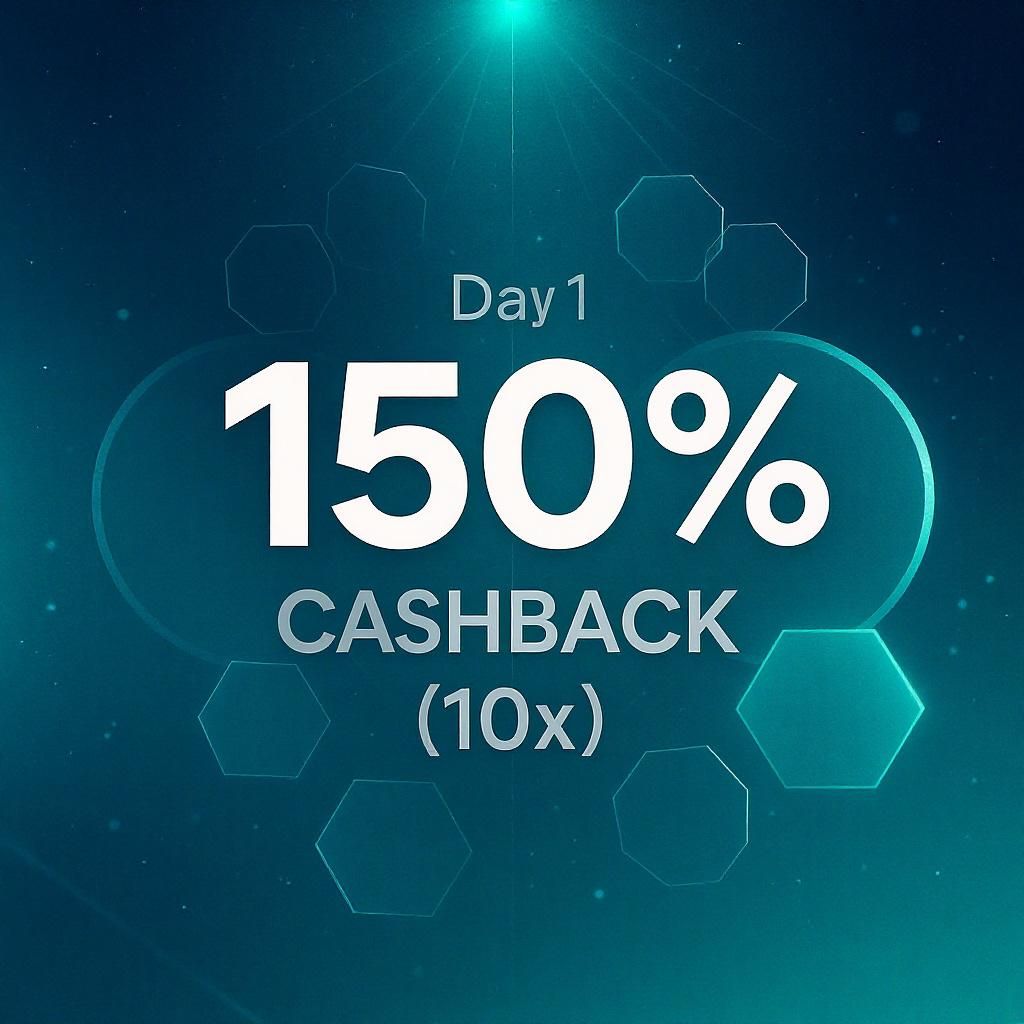
Alright, check this out — suppose a welcome cashback equals 150% with a 10x wagering requirement on the bonus. If you deposit C$100 and lose down to C$0, a 150% cashback (C$150) that needs 10× playthrough requires C$1,500 in turnover before withdrawal. That’s why a 10× WR on cashback is far more realistic than a 40× D+B match on many other sites, which can force massive turnover — e.g., a 200% match with 40× on deposit + bonus could require thousands in turnover on a C$100 deposit. Not gonna sugarcoat it — check timing, max bet rules and game contributions before you claim a promo. For detailed platform-level notes, see the in-depth sections at kudos-casino, but don’t forget the fine print about CAD payouts and conversion fees when you play from BC or Quebec.
Quick Checklist for Canadian Slot Players
- Confirm RTP and whether the casino lists per-game rates — operators may hide RTG variants.
- Pick payment methods that support CAD (Interac e-Transfer, Interac Online, iDebit).
- Match volatility to bankroll: small bankroll = low/medium volatility.
- Read bonus wagering math and max-bet rules before claiming.
- Set deposit/session limits and use self-exclusion if needed — Canadian sites must respect KYC/AML.
That checklist makes the basics obvious, but people still trip up — so here are the most common mistakes I see and how to avoid them.
Common Mistakes and How to Avoid Them for Canadian Players
- Chasing progressives on a tiny bankroll — avoid this by allocating a dedicated “jackpot” fund.
- Overlooking currency conversion fees — use CAD-ready payments or expect a hit on withdrawal.
- Ignoring game contribution rules for bonuses — check which slots count 100% toward WR.
- Playing late without limits — set session timers (especially if you’re a Tim Hortons double-double kind of late-night spinner).
- Skipping KYC documents — submit clear ID and proof of address to prevent payout delays.
Those pitfalls are common from BC to Newfoundland; next I’ll answer a few quick FAQs that pop up for Canadians new to RTP and variance.
Mini-FAQ for Canadian Players
Is gambling income taxable in Canada?
In general, casual gambling winnings are tax-free in Canada (CRA treats them as windfalls). Only professional gamblers who treat it as a business may be taxed, so check with an accountant if you’re grinding as income. This leads back to thinking about responsible limits and bankroll planning.
How do I know if a slot is high or low volatility?
Look for hit frequency, max win multiples, free-spin features and volatility badges on provider pages; if info’s missing, pick a smaller bet and test 100–300 spins. That testing habit will prevent nasty surprises in your bankroll.
Which Canadian payment methods are safest?
Interac e-Transfer and Interac Online are widely trusted for deposits in CAD; iDebit and Instadebit are common alternatives. Crypto is fast for payouts but watch conversion fees and provincial legalities. After payments, always check processing times and KYC readiness to avoid hold-ups.
18+ only. Gamble responsibly — set deposit and time limits, and seek help if gaming stops being fun. If you or someone you know needs support, contact ConnexOntario (1-866-531-2600 / connexontario.ca) or your provincial resources like PlaySmart (OLG) or GameSense (BCLC). This guide is informational, not financial or legal advice, and is focused on Canadian players from BC to Ontario and beyond.
Sources and About the Author (Canada-focused)
Sources: Provincial gambling regulators (iGaming Ontario / AGCO), provincial sites (PlayNow, Espacejeux, OLG), industry data on RTG and provider RTP practices, and practical testing across Rogers/Bell networks in urban Canada. I’m a Canadian player and analyst who’s run bankroll tests on slots, checked payment flows via Interac e-Transfer and crypto withdrawals, and learned lessons the expensive way — this is my practical summary for fellow Canucks across the provinces.